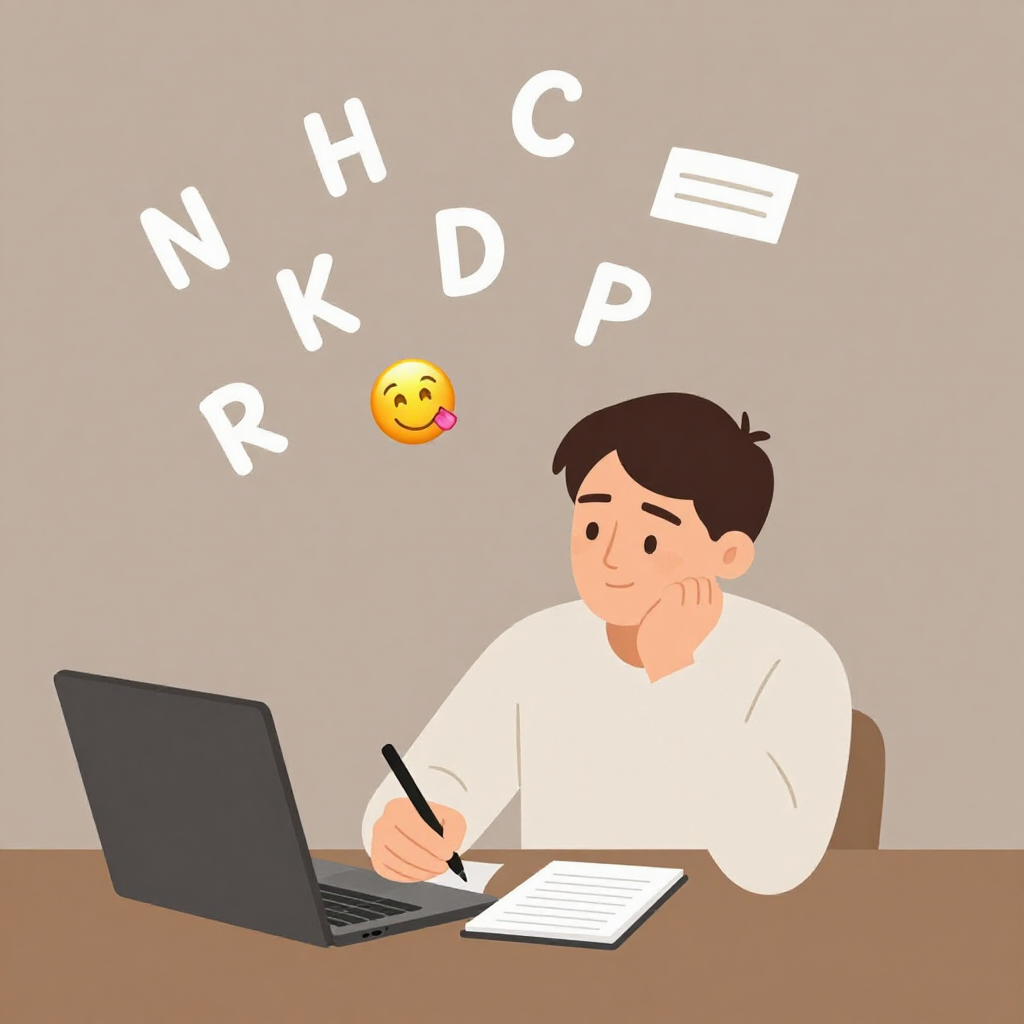
In our hyper-connected digital world, we communicate constantly—through texts, emails, social media, and instant messages. Yet, not every thought we write is sent. Many messages are paused, left in drafts, or deliberately left unsent. While these messages may seem insignificant, they are often rich with emotion. They capture feelings we may not be ready to express openly. The Unsent Message Project is an innovative initiative designed to help individuals capture and reflect on these hidden emotions, turning unsent messages into meaningful insights and tools for self-awareness.
Understanding the Unsent Message Project
The Unsent Message Project focuses on messages that were composed but never sent. Unlike private journaling, these messages are written with someone else in mind—friends, family, colleagues, or even a broader audience—but remain unsent for personal, emotional, or creative reasons.
These messages offer a glimpse into the writer’s emotional state at the moment of drafting. By preserving and reflecting on these messages, participants can better understand their feelings, uncover recurring emotional patterns, and gain insight into their own reactions and thought processes.
The Emotional Value of Unsent Messages
Unsent messages hold profound emotional significance. Writing them allows individuals to express feelings such as:
-
Frustration or Anger: Venting in a draft provides a safe way to release tension without causing conflict.
-
Love or Affection: Writing a message to someone you care about can clarify emotions, even if you choose not to send it.
-
Regret or Apology: Drafting apologies helps process guilt or remorse before deciding how to communicate effectively.
-
Gratitude or Appreciation: Composing thank-you messages can reinforce positive emotions and mindfulness.
Even if these messages are never sent, they serve as a mirror reflecting internal emotions that might otherwise remain hidden or unacknowledged.
How the Project Captures Hidden Emotions
The Unsent Message Project provides a structured framework for working with unsent messages:
1. Draft Without Pressure
Participants are encouraged to write messages freely, without concern for grammar, clarity, or whether the message will be sent. This freedom allows raw emotions to surface naturally, creating authentic records of thoughts and feelings.
2. Organize and Store
Unsent messages are stored in a centralized, secure location, such as a digital notebook, private folder, or dedicated app. Organizing messages by date, theme, or emotion allows participants to track emotional trends over time. Tags like “anger,” “love,” “reflection,” or “confusion” can make reviewing messages easier and more insightful.
3. Reflect Regularly
Regular reflection is a cornerstone of the project. Participants revisit their unsent messages to identify patterns in their emotional responses. Questions to consider include:
-
What emotions prompted me to write this message?
-
Why did I choose not to send it?
-
How do these emotions influence my relationships and decision-making?
Reflection helps transform fleeting feelings into understanding and self-awareness.
4. Transform or Share (Optional)
Some messages may be suitable for creative transformation or selective sharing. Examples include:
-
Creative Use: Writers, artists, and creators can repurpose messages into stories, poems, or visual projects.
-
Personal Sharing: Trusted friends or family may provide support or perspective.
-
Anonymous Sharing: Messages can be shared publicly or anonymously to contribute to broader reflection or awareness.
Privacy and emotional safety are always prioritized when deciding to share unsent messages.
5. Preserve as Emotional Records
Even unsent messages that remain private serve as a valuable emotional record. Archiving them creates a timeline of personal growth, emotional development, and cognitive reflection. Secure storage ensures messages remain accessible for future reflection while remaining protected.
Benefits of Capturing Hidden Emotions
Engaging with the unsent message project offers numerous benefits:
-
Emotional Clarity: Writing and reflecting on unsent messages helps process complex feelings and reduces stress.
-
Self-Awareness: Observing emotional patterns in messages increases insight into behavior, communication, and emotional triggers.
-
Mindful Communication: Understanding why messages remain unsent encourages thoughtful, intentional communication in real-life interactions.
-
Creative Potential: Raw emotional content can inspire stories, artwork, or other creative projects.
The Larger Significance
In a world dominated by fast digital communication, the Unsent Message Project emphasizes the value of pausing to reflect. Hidden emotions often go unacknowledged in daily life. By capturing and preserving unsent messages, individuals create digital memories that document their inner world, offering unique insights into emotional growth and self-understanding.
Conclusion
The Unsent Message Project transforms unsent messages into tools for capturing hidden emotions, promoting reflection, emotional clarity, and creative exploration. By drafting freely, organizing and storing messages, reflecting on their meaning, and selectively sharing when appropriate, participants gain a deeper understanding of themselves and their emotional landscape.
Unsent messages are not failures or missed opportunities—they are windows into our inner world. They reveal vulnerability, authenticity, and moments of introspection that are often overlooked. Through the Unsent Message Project, these messages become digital memories, personal artifacts, and sources of insight, demonstrating the depth and complexity of human emotion in the digital age.